

Worldbuilding on a Small Budget: Creating Believable UK Settings
How to build convincing British settings from memory, weather and small social detail — with a research method that stops before it swallows your writing time.
You do not need a shelf of Ordnance Survey maps to write a convincing British setting. Readers are not checking your street layout against reality. They are checking whether the place feels lived in: whether the chip shop shuts at nine, whether the bus is late, whether anyone nods at anyone else on the towpath.
That is good news if your budget is measured in time rather than money. Half a dozen sharp, accurate details will carry a scene further than a hundred pages of notes you never open.
Start With One Street, Not a Whole County
A county is too big to hold in your head. A street is not.
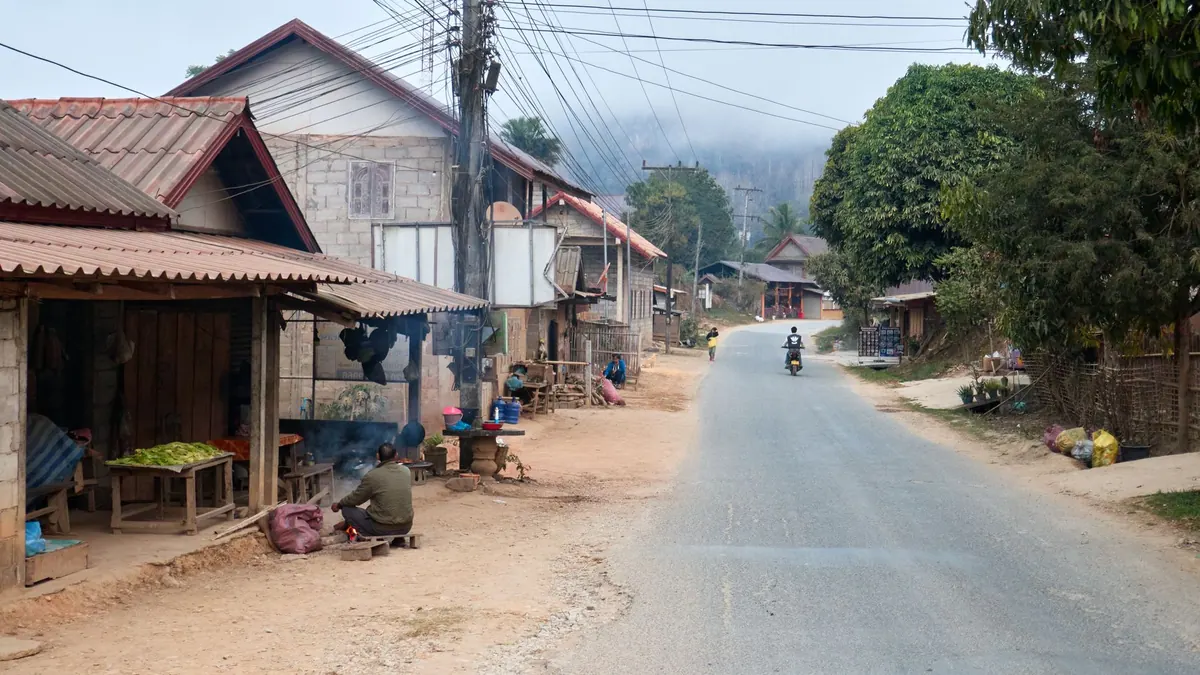
Pick one location inside your invented town and learn it properly: the bus stop outside a pharmacy, a recreation ground with a war memorial and a bin that is always full, the alley behind a row of takeaways. Give it enough specifics that you could walk there in the dark.
Say your town is Caldermoor, somewhere in the Midlands. You do not need its population or the name of its football team. You need the smell of the bakery on the corner, the puddle that never drains by the crossing, and the fact that the cash machine is inside the shop and the shop shuts at half five.
One working rule: three senses and one inconvenience. Description that includes something mildly annoying — roadworks, drizzle, a queue at the till — reads as observed rather than invented.
Weather Is Not Decoration
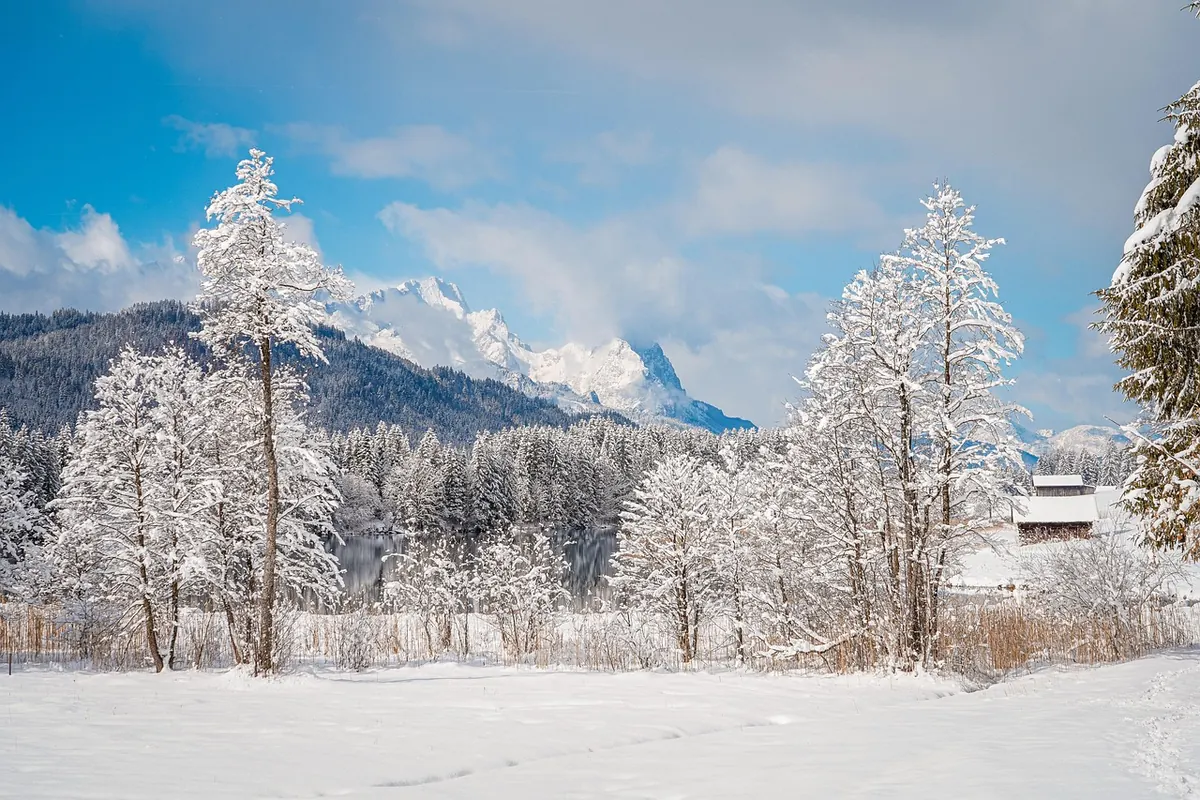
British weather gets flattened into a joke about rain. Use it properly and it becomes the cheapest atmosphere you will ever write.
The reliable settings
- Grey light that never quite commits to being day, especially in January.
- Rain that is closer to atmosphere than water — fine, sideways, relentless.
- A seafront wind in February that makes conversation pointless.
- The first genuinely cold morning in October, when everyone is wearing the wrong coat.
- A heatwave that makes a town behave slightly out of character: windows open, tempers short, everyone still outdoors at ten at night.
Make it do some work
Weather should push a character into a decision. It makes someone put a hood up, abandon a walk, take the bus they would normally avoid, or stay in the pub for one more drink because the alternative is standing at a wet stop.
Rain came off the hills in a fine, sideways mist. She turned her collar up and kept going, because the bus ran twice an hour and she had already missed one.
Two sentences, no drama, and the reader now knows the terrain, the timetable and the character's stubbornness.
Social Detail Does the Heavy Lifting
This is where a little local knowledge outperforms a lot of research. You are not collecting facts, you are collecting habits:
- How strangers greet each other, or pointedly do not.
- What "going up town" means, and how far away the nearest city is in people's heads.
- Which pub is for the football, which is for the quiz, and which has a fire in winter.
- What the local paper actually covers: a missing cat, a planning dispute, a school fete, an argument about bin collections.
- How a village responds to a new arrival — politely, suspiciously, or with a casserole.
Then add the physical evidence of a community: the noticeboard in the church porch, the laminated "polite notice" signs in the car park, the shop that closes for lunch, the bench with a plaque screwed to it, the faded bunting still up in September. None of it costs anything to include, and all of it tells the reader exactly where they are standing.
Research Without Disappearing Into It
Most setting research is procrastination wearing a respectable hat. Keep it to one focused session.
- Write from memory first. Produce a page of setting with no checking at all. You will be surprised how much is already there.
- Mark what you are unsure of. Highlight only the details you would hate to get wrong.
- Check those, and nothing else. Street-level mapping, a council website, a local newspaper archive and a train timetable will answer most questions in twenty minutes.
- Borrow a local. One conversation with someone who lives there will give you a phrase or a grudge you could not have invented. Do not, though, treat one person as the voice of a whole region.
Know the difference between what you can invent and what you should verify. Street names, shopfronts and the shape of a high street are yours to make up. Travel times, coastlines, hill country and whether a river floods are worth getting right, because readers who know the area will spot a mistake at once.
Putting an Invented Town Next to Real Ones
The safest approach is the composite town: a bus station from one place, a market square from another, a retail park from a third, reassembled under a name you made up. Change the syllables until it sounds plausible but belongs to no one.
Keep real places off-stage. A character can catch the train to Leeds, grumble about Manchester prices or drive to Norwich for a funeral without you ever having to describe those cities. When you do set a scene in a real town, be accurate about the ordinary things and careful about the extraordinary ones. Do not have a real named school, hospital or business doing something scandalous in your fiction. Invent one instead. People live there.
Watch distance and time, too. Cornwall to Northumberland is not a day trip. If in doubt, keep travel vague: "most of the morning", "two changes and a long wait at Crewe".
A Budget That Keeps Working
Keep a setting file — a note on your phone is enough — and add to it as you go: overheard phrases, shop names, the way the light sits at four o'clock in November. Fifteen minutes a week builds a stock of detail you can spend for years.
Then hold two rules. Specific beats extensive: one true detail is worth five vague ones. And readers forgive invented geography far more readily than they forgive invented feeling.
Start with the bus shelter. It will tell you almost everything you need to know about the town around it.